Main Content


Kaia Stern,
Co-Founder & Director
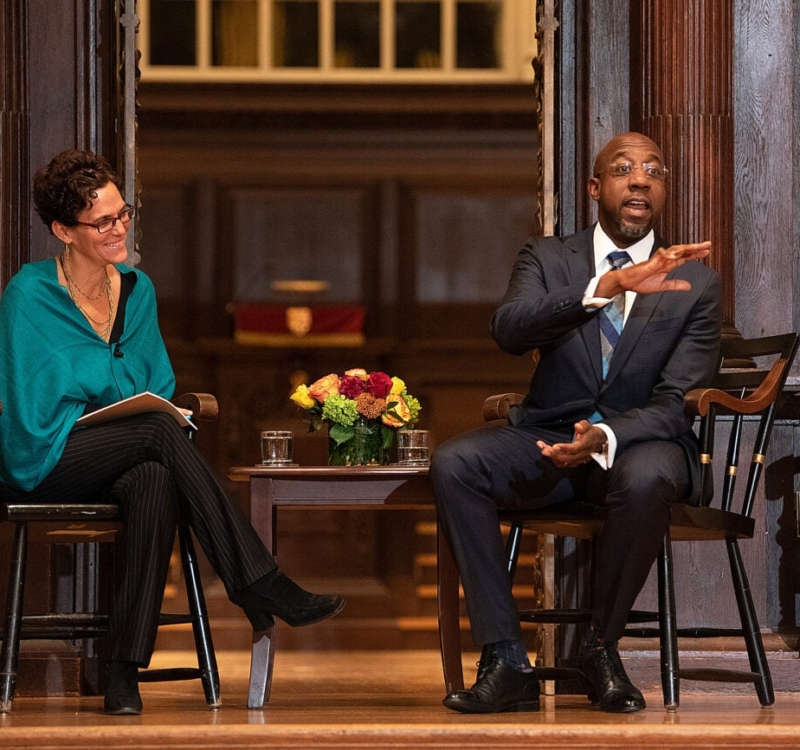
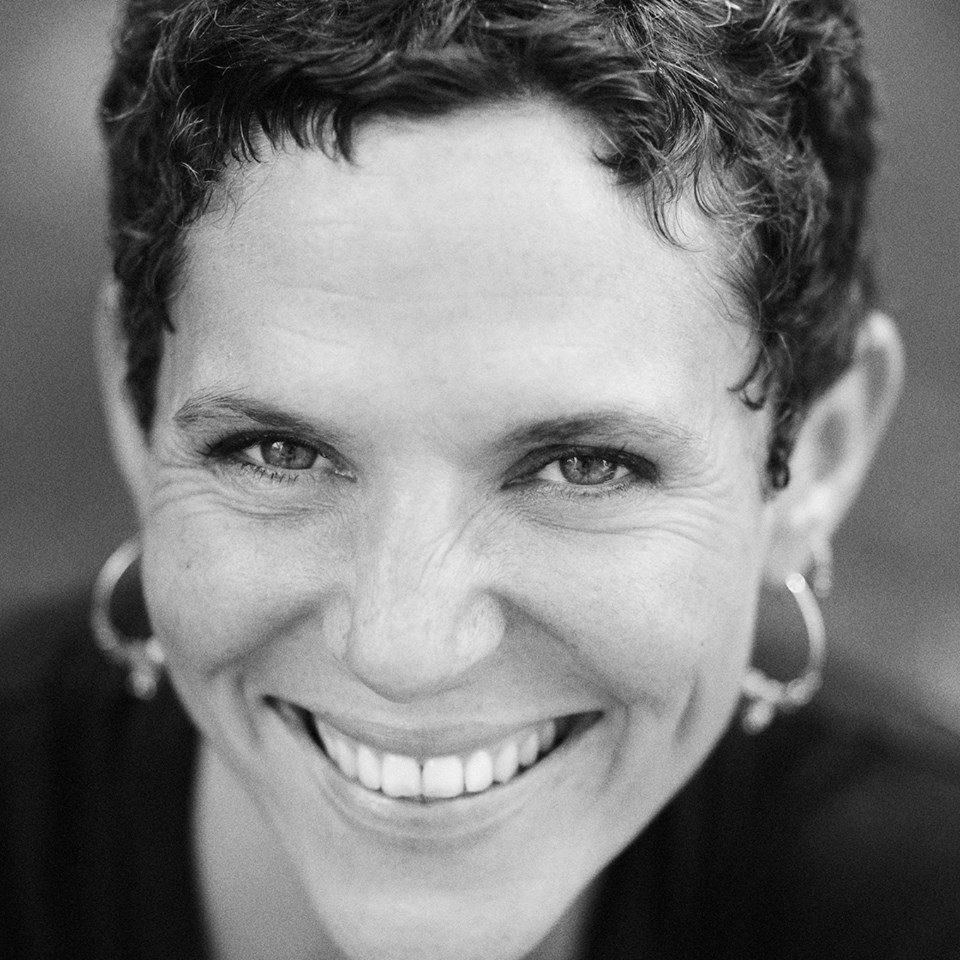
Kaia Stern is cofounder and director of the Prison Studies Project, which began at Harvard University in 2008. Her work focuses on transformative justice and education in prison. Her first book, Voices from American Prisons: Faith, Education and Healing was published by Routledge (2014). Recognized as a national resource, her contribution to the Greenhaven Prison Program at Vassar College, Neighborhood Defender Service of Harlem, Vera Institute of Justice, Kings County District Attorney’s Office, The Riverside Church, Open Society Institute, Charles Hamilton Houston Institute for Race & Justice at Harvard Law School, and the U.S. Department of Justice has facilitated work with numerous schools and prisons in various states for the last twenty-five years. She is currently the first Practitioner in Residence at the Harvard Radcliffe Institute and Faculty at the Harvard Graduate School of Education, where she co-leads the Transforming Justice Initiative.
Bruce Western,
Co-Founder
Bruce Western is the Bryce Professor of Sociology and Social Justice and Co-Director of the Justice Lab at Columbia University. His research has examined the causes, scope, and consequences of the historic growth in U.S. prison populations. Western is also the Principal Investigator of the Square One Project that aims re-imagine the public policy response to violence under conditions of poverty and racial inequality. He is the author of Homeward: Life in the Year After Prison (Russell Sage Foundation, 2018), and Punishment and Inequality in America (Russell Sage Foundation, 2006). He is a member of the National Academy of Sciences and the American Academy of Arts and Sciences. He has been a Guggenheim Fellow, a Russell Sage Foundation Visiting Scholar, and a fellow of the Radcliffe Institute of Advanced Study. Western received his Ph.D. in Sociology from the University of California, Los Angeles, and was born in Canberra, Australia.
.

Sameen Wajid,
Communications Director
Sameen earned her masters in International Education Policy at the Harvard Graduate School of Education. She strongly believes that everyone has the right to access quality education and is working to ensure that people who are or were formerly incarcerated are included in that conversation. Sameen graduated from Austin College with a B.A. in Sociology and Political Science. She globetrotted from teaching at an orphanage in Pakistan to studying social and political conflict in Ireland to pursuing a Fulbright English Teaching Assistantship on the island of Borneo. Utilizing her project management, data analysis, and communications background, Sameen currently serves as Programme Officer at UNICEF and a task team member on the organization's internal task team on Anti-Racism and Discrimination.
Rebecca Thompson, Student Advisor
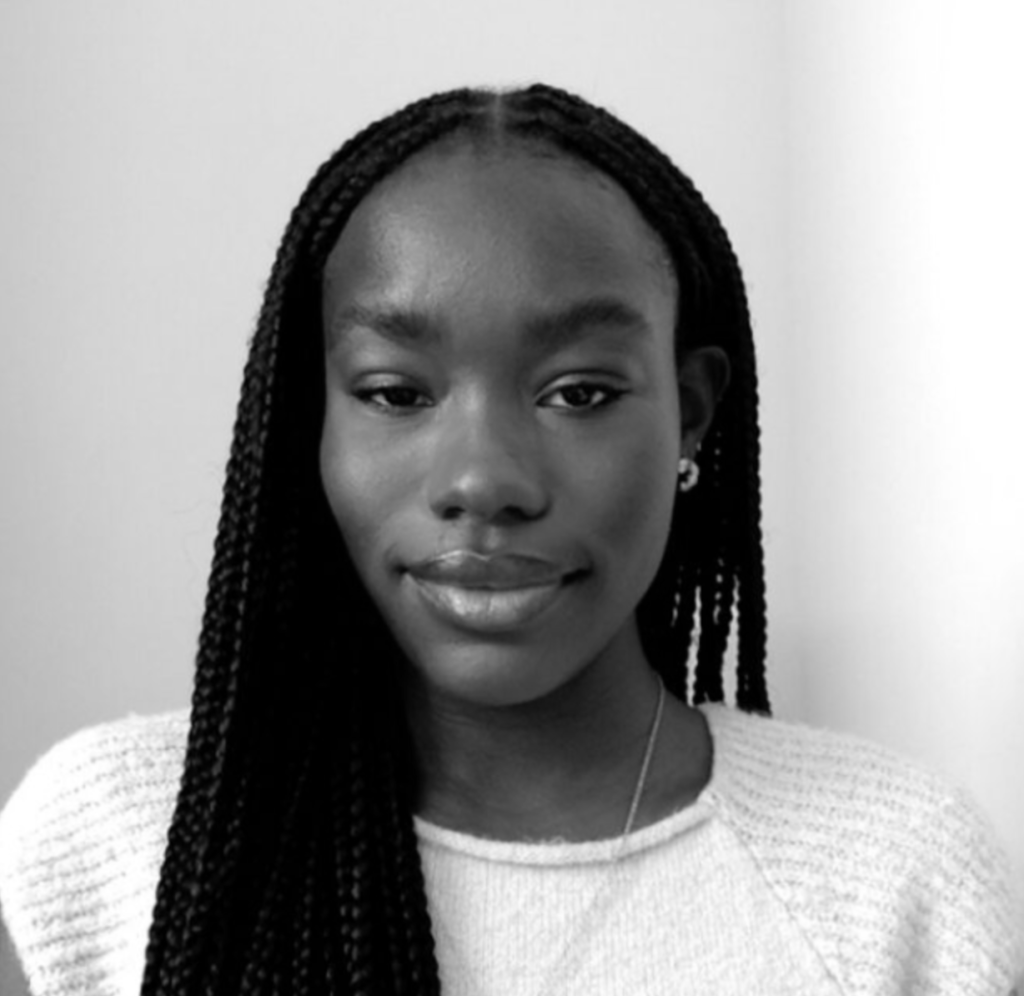
Rebecca Oluwatoyin Thompson is an educator, writer, and student of multiple disciplines and practices. In partnership with the Harvard Radcliffe Institute, she has taught and facilitated a variety of courses in carceral spaces across the United States that interrogate matters of race and gender through critical explorations of literature, art and pop culture. Her work gives attention to how people and communities heal, repair, and care for one another in the wake of disparate forms of racial, economic, gender, and environmental violence. Rebecca is an incoming Presidential Scholar in the Master of Divinity program at Harvard Divinity School where she will explore how art, education and spiritual practice inform one another. She is currently working on a comic and public education campaign about mass incarceration as the 2022-23 Applied Cartooning Fellow at the Center for Cartoon Studies. Rebecca is also a researcher for ANO Institute for Arts and Knowledge, a cultural institution based in Accra, Ghana.